
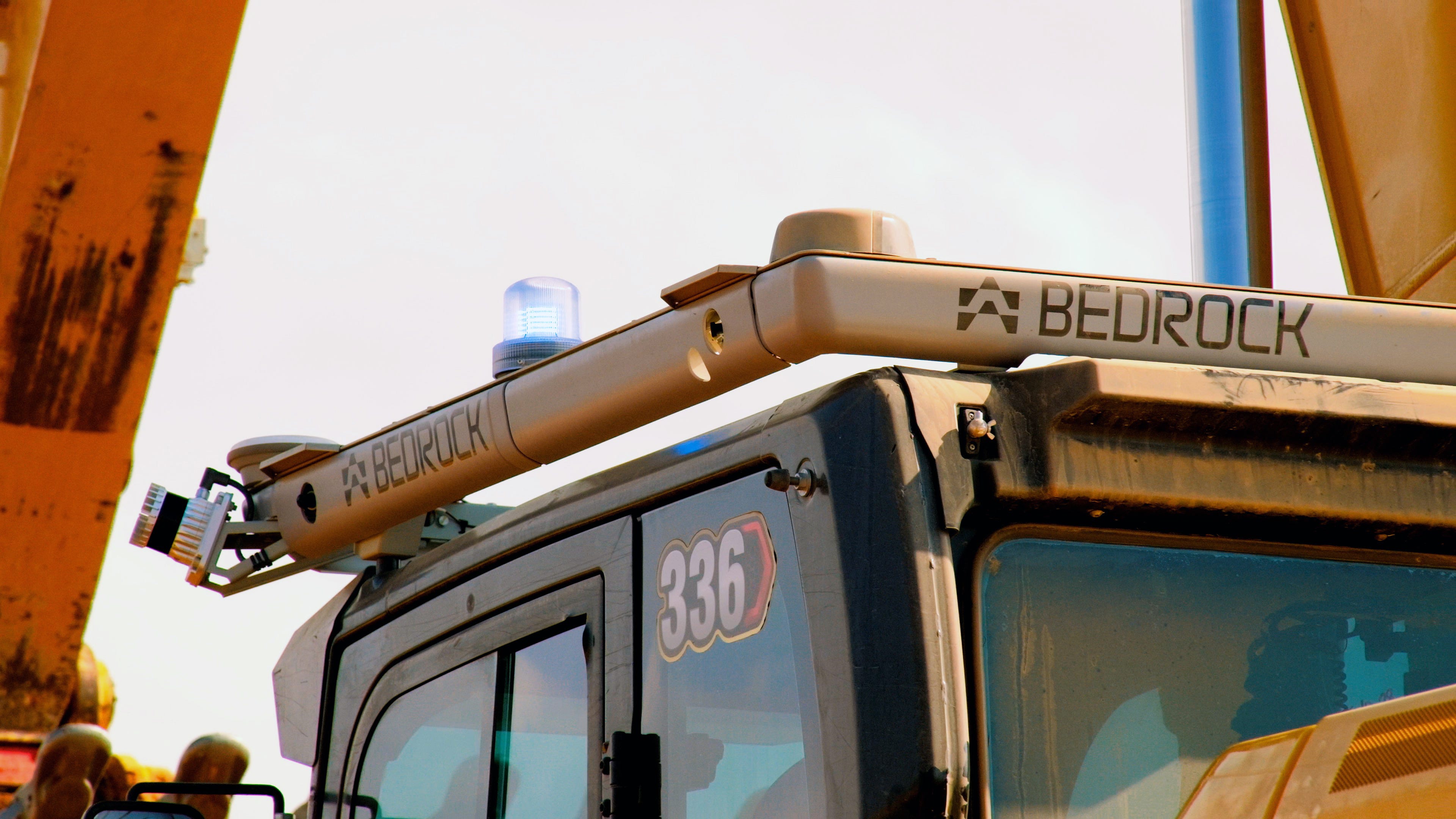
Bedrock Robotics and Machina Labs said in separate announcements they have raised fresh investments to automate some of the most labour- and capital-intensive corners of the industrial economy, underscoring investors’ appetite for software-defined hardware in old-line sectors.
San Francisco-based autonomous construction company Bedrock Robotics has raised $270 million in a Series B round to advance software-defined machines for infrastructure projects. The investment, co-led by CapitalG and Valor Atreides AI Fund, brings the company’s total capital to more than $350 million and pushes its valuation past $1.75 billion. Backers include NVentures, Tishman Speyer, MIT and C4 Ventures.
Bedrock, which emerged from stealth in July 2025 with $80 million in seed and Series A capital, retrofits excavators, bulldozers and loaders so contractors can deploy supervised and, eventually, fully autonomous fleets on complex infrastructure projects.
The new capital will help shift customers from piloting individual autonomous machines to orchestrating connected fleets across large sites. A recent deployment on a 130-acre manufacturing site validated its mass excavation capabilities.
Across rich economies, ageing workforces, infrastructure pushes and subsidies for factories building chips, batteries and data centres are colliding with chronic shortages of skilled tradespeople and rigid 20th‑century manufacturing assets. Investors are betting that autonomy and AI-native production lines can unlock capacity without a commensurate rise in headcount, recasting earthmoving and metal-forming as software problems rather than purely mechanical ones.
“The construction sector is facing an overwhelming demand that it cannot fulfill,” said Boris Sofman, Bedrock’s boss, arguing that system-level autonomy will let contractors redeploy scarce operators to supervision and strategy while fleets of machines run longer with less idle time.
Machina Labs
In Los Angeles, Machina Labs has secured $124 million in Series C financing to deploy its first “Intelligent Factory” for metal manufacturing in defence and aerospace. Led by an unnamed lead investor, the round will fund a 200,000-square-foot facility housing up to 50 RoboCraftsman cells. The company plans to produce thousands of metal assemblies annually for customers in defence, advanced mobility and automotive sectors.
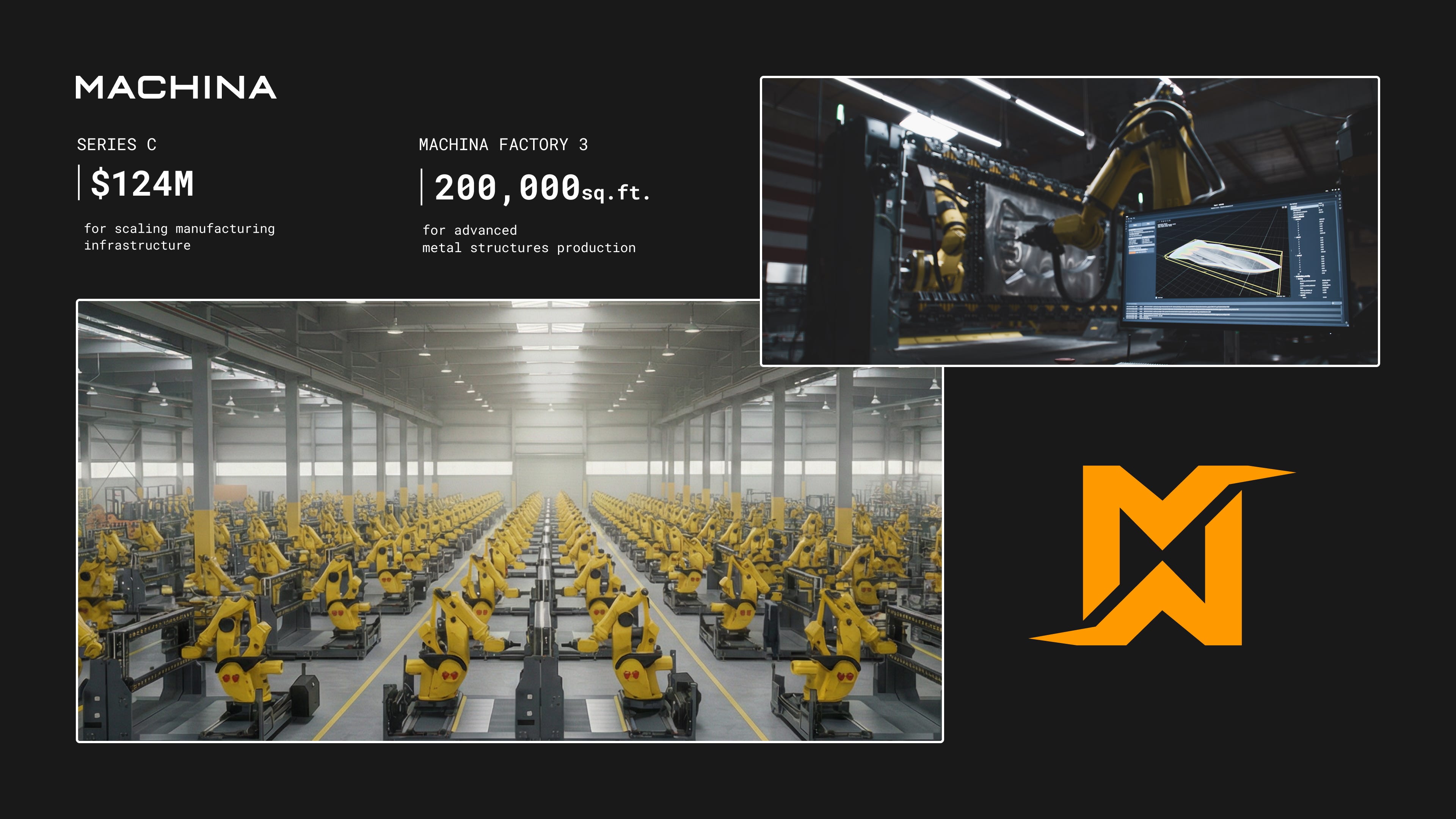
The Intelligent Factory uses AI-driven robotics to replace traditional tooling, enabling rapid reconfiguration for diverse parts. Machina aims to cut lead times and support high-mix, low-volume production amid supply-chain strains.
For defence ministries, aerospace primes and carmakers fretting over supply-chain fragility, such technologies promise shorter lead times, more configurable plants and a measure of industrial resilience.
“The world’s most advanced designs are being held back by 20th-century factories,” said Edward Mehr, the company’s chief executive. “This round allows us to scale manufacturing infrastructure that moves at the speed of software. We’re not just making parts, we’re reprogramming the factory itself to serve defense, aerospace, and automotive customers who can’t afford to wait.”