
Humanoid Robots Are Entering the Workforce
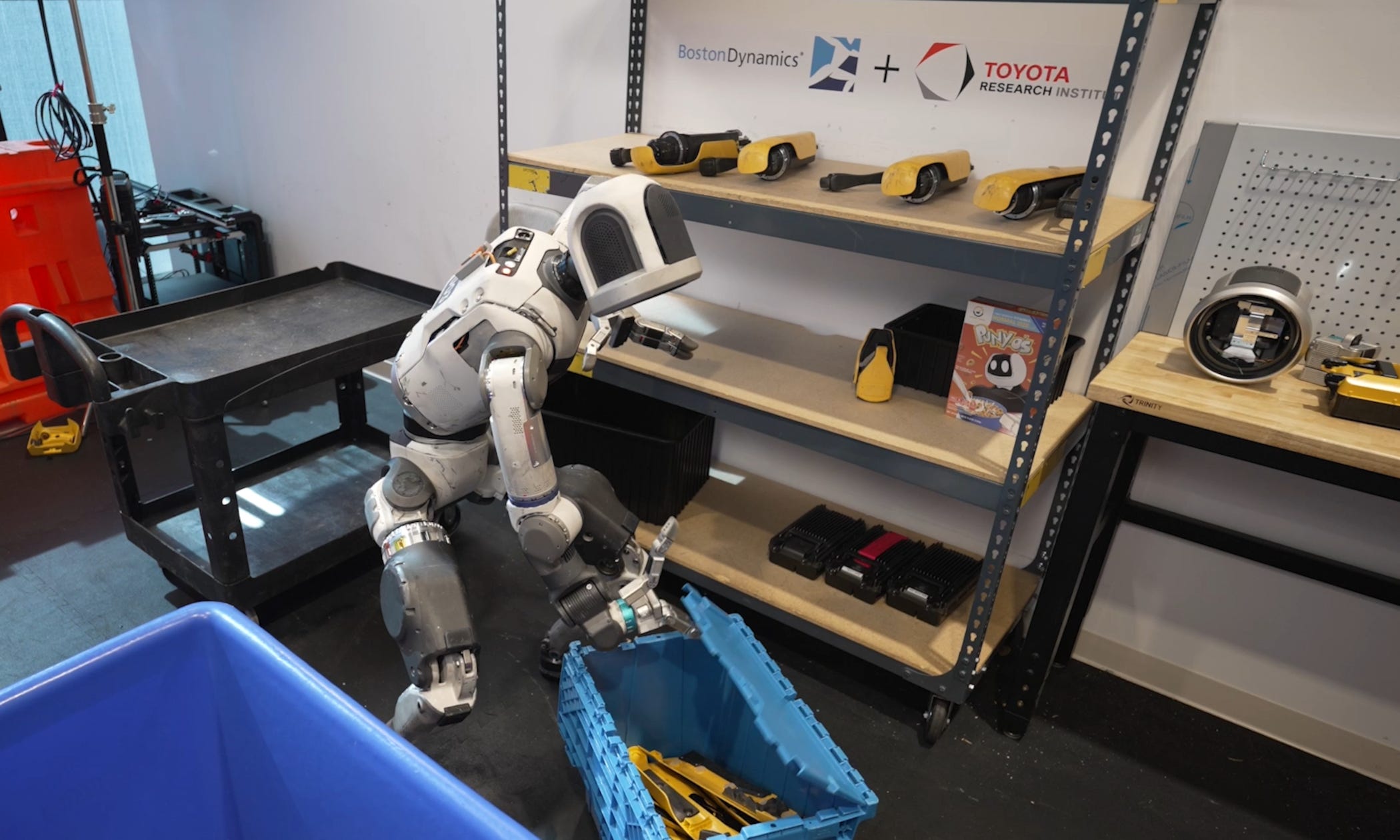
Long a staple of science fiction, humanoid robots are edging into factory floors and warehouses, but Forrester expects the transition to be cautious rather than explosive. A new report from the research firm, ‘The State of Humanoid Robots, 2026,’ argues that the machines are shifting from spectacle to tool, with early adopters chasing productivity gains while wrestling with cost and regulatory headaches. Other analysts have proposed a staged adoption model, with each phase contingent on clearing the economic hurdles of the last.
Early Deployments Are Delivering Measurable Results
Forrester’s latest automation survey finds that 69 percent of automation decision-makers are adopting or planning to adopt humanoid robots, with deployments already underway in manufacturing, logistics, healthcare, and customer service. Early adopters report 40 percent reductions in processing errors and 20 percent declines in labor costs where humanoids standardize repetitive, high-friction work, from BMW’s use of robots for ergonomically awkward assembly to KEENON Robotics cutting restaurant labor costs through automated food preparation and cleaning.
The push comes amid a broader race to automate labor-intensive tasks as companies confront aging workforces, skills shortages, and persistent margin pressure, though the debate on humanoid viability remains unsettled. Investors and boardrooms are betting that advances in generative and physical AI, coupled with cheaper cloud-based infrastructure, will allow humanoid machines to operate safely and reliably in spaces built for people, even as regulators and risk officers fret about safety, cybersecurity, and liability.
“Humanoid robots are no longer a futuristic fantasy, but a pragmatic tool for operational transformation,” says Charlie Dai, a vice president and principal analyst at Forrester. “Leaders must approach this technology with disciplined experimentation, viewing these robots as workforce multipliers that augment human capabilities rather than wholesale replacements.”
AI Advances Are Accelerating Humanoid Capabilities
The report points to advances in AI to explain the acceleration. NVIDIA’s Isaac GR00T-Dreams, for instance, is said to cut model-development time from three months to 36 hours by using synthetic motion generation and multimodal foundation models, while physical-AI techniques narrow the sim-to-real gap to improve balance and reliability in real-world settings.
Humanoids Are Augmenting Workers, Not Replacing Them
For now, Forrester stresses that humanoids are amplifying human workers rather than displacing them. In warehouses, AgiBot’s A2-W handles 30 percent of material transport with zero errors, and in Singapore’s Sengkang Community Hospital, a robot called Dexie supports multilingual dementia care so staff can focus on more complex, higher-empathy tasks.
What Is Holding Back Large-Scale Deployment
Yet the firm is skeptical that a flood of chrome-plated colleagues is imminent. High R&D costs, deployment complexity, and underdeveloped rules on safety, cybersecurity, and liability will keep most projects at pilot scale for the next two years, it says, with prudent companies advised to take a measured, human-centric approach rather than succumb to humanoid hype. We examine the pilot to production gap in detail, including the operational and economic conditions that determine when manufacturers move from testing to full deployment.

